01
Requirements and interface definition
Defined within the project scope, programme, responsibilities and acceptance requirements.
Practical integration of PLC, HMI, drives, instrumentation, machinery and plant data into one maintainable industrial automation solution.
Connected equipment and controls that operate as a coherent production system rather than isolated components.
Defined within the project scope, programme, responsibilities and acceptance requirements.
Defined within the project scope, programme, responsibilities and acceptance requirements.
Defined within the project scope, programme, responsibilities and acceptance requirements.
Defined within the project scope, programme, responsibilities and acceptance requirements.
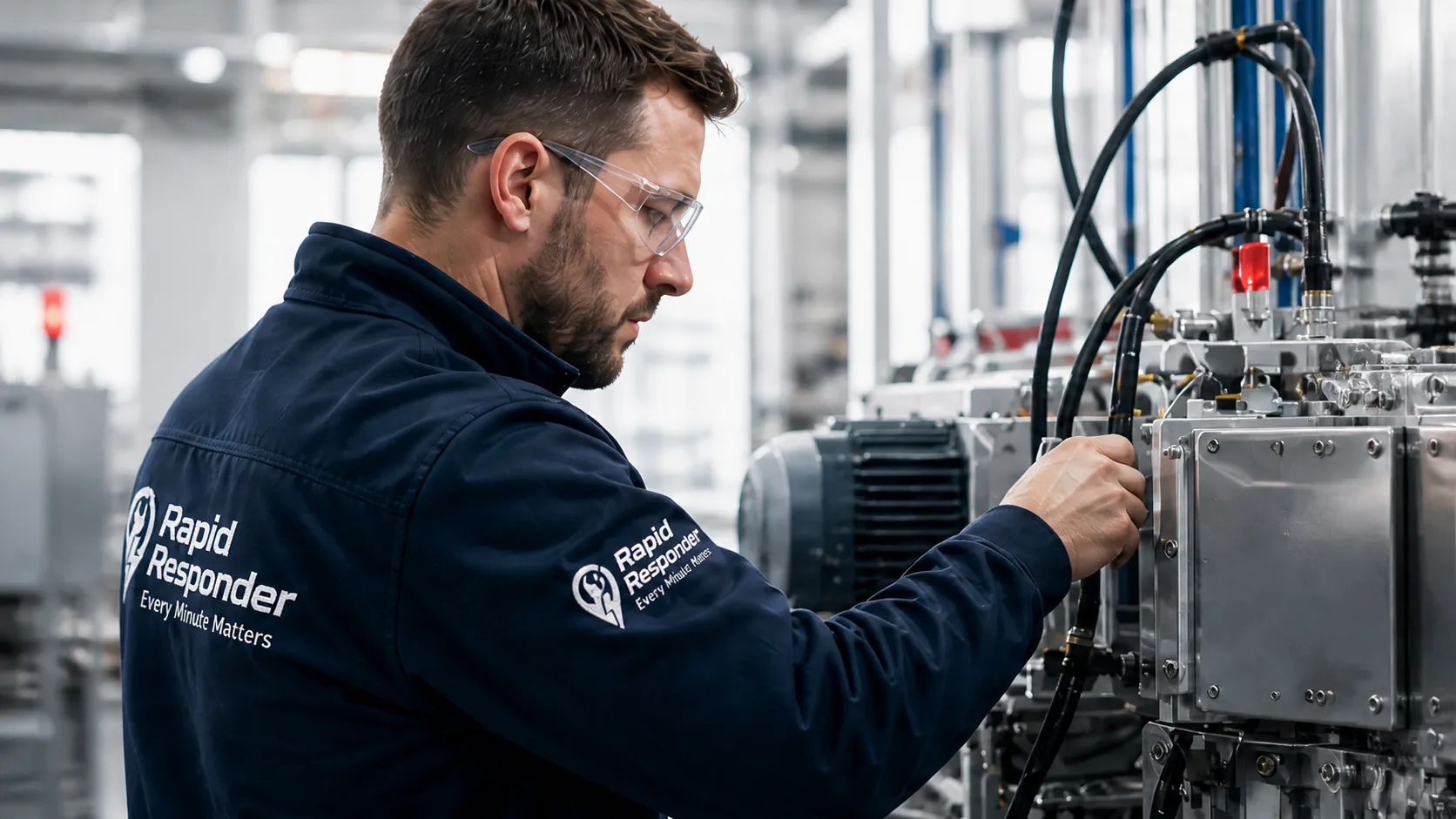
Projects begin with the required operational outcome, existing conditions, interfaces and constraints. The scope then defines design responsibilities, equipment, access, programme, safety controls, testing and handover.
Integration can involve new and existing machinery, multi-vendor controls, production data, industrial networks and site standards, subject to a defined functional scope.
Every project requires an agreed scope, programme, responsibilities, change process and acceptance route. Safety, production continuity and maintainability are considered alongside technical delivery.
Documentation can include agreed drawings, software backups, test records, equipment information, training and handover actions appropriate to the scope.
Integration can involve new and existing machinery, multi-vendor controls, production data, industrial networks and site standards, subject to a defined functional scope.
Yes. Requirements are assessed using the site location, scope, equipment, interfaces, timescale, access and required delivery responsibilities.
Provide the project objective, site location, available drawings, existing equipment information, production constraints, preferred timescale and any known shutdown or compliance requirements.
Start with the outcome, constraints and timescale.