01
Opportunity and constraint assessment
Defined within the project scope, programme, responsibilities and acceptance requirements.
Targeted automation improvements for throughput, reliability, visibility, quality and safer, more maintainable production.
A practical improvement project tied to an operational problem and measurable production requirement.
Defined within the project scope, programme, responsibilities and acceptance requirements.
Defined within the project scope, programme, responsibilities and acceptance requirements.
Defined within the project scope, programme, responsibilities and acceptance requirements.
Defined within the project scope, programme, responsibilities and acceptance requirements.
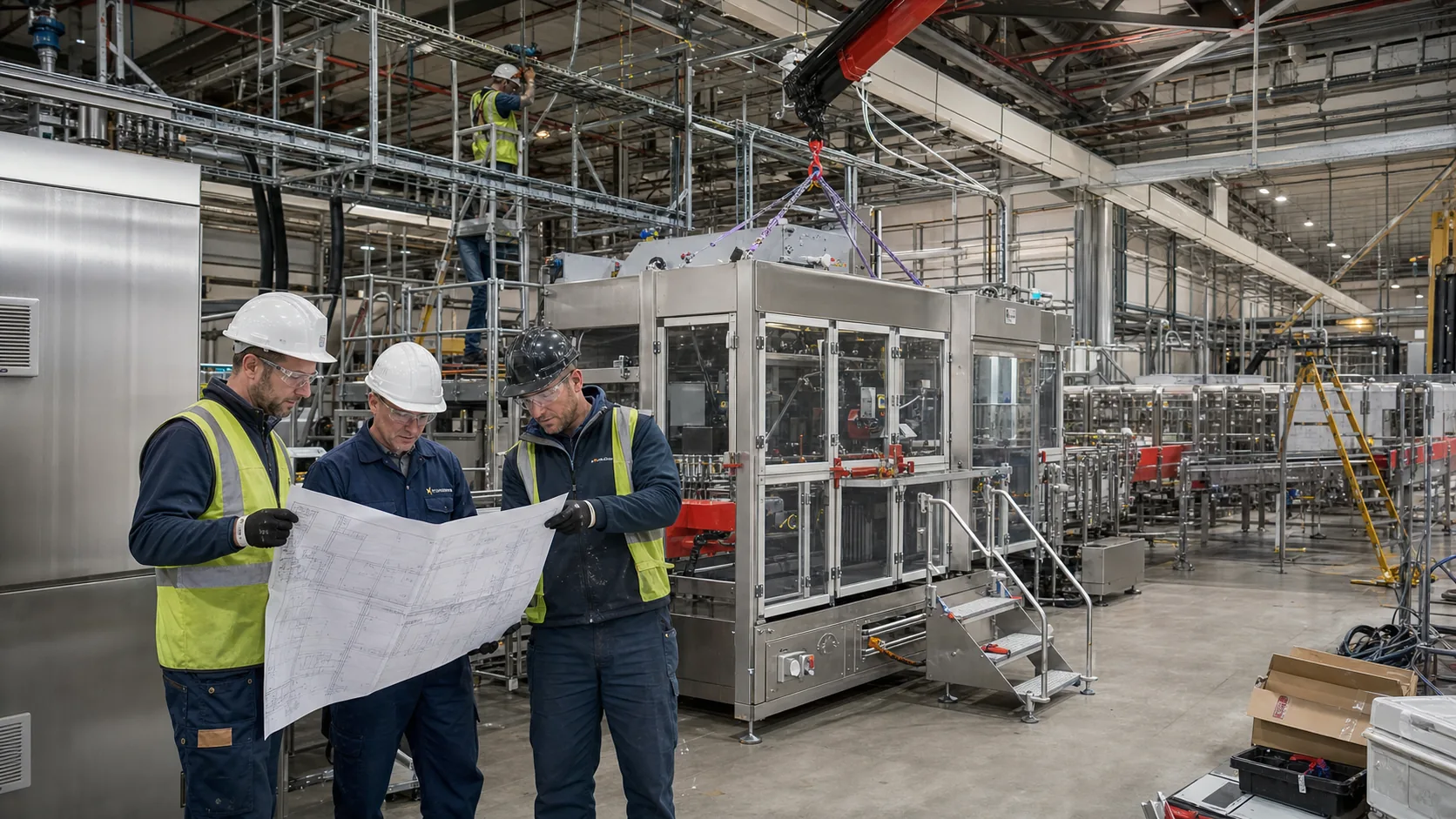
Projects begin with the required operational outcome, existing conditions, interfaces and constraints. The scope then defines design responsibilities, equipment, access, programme, safety controls, testing and handover.
Upgrade projects may focus on a recurring bottleneck, obsolete controls, manual handling, poor fault visibility, quality losses or the integration of new equipment.
Every project requires an agreed scope, programme, responsibilities, change process and acceptance route. Safety, production continuity and maintainability are considered alongside technical delivery.
Documentation can include agreed drawings, software backups, test records, equipment information, training and handover actions appropriate to the scope.
Upgrade projects may focus on a recurring bottleneck, obsolete controls, manual handling, poor fault visibility, quality losses or the integration of new equipment.
Yes. Requirements are assessed using the site location, scope, equipment, interfaces, timescale, access and required delivery responsibilities.
Provide the project objective, site location, available drawings, existing equipment information, production constraints, preferred timescale and any known shutdown or compliance requirements.
Start with the outcome, constraints and timescale.